Aizuwakamatsu - Samurai Spirit in Stillness
Exploring Aizuwakamatsu’s castle town charm, where resilience and tradition shape every corner.
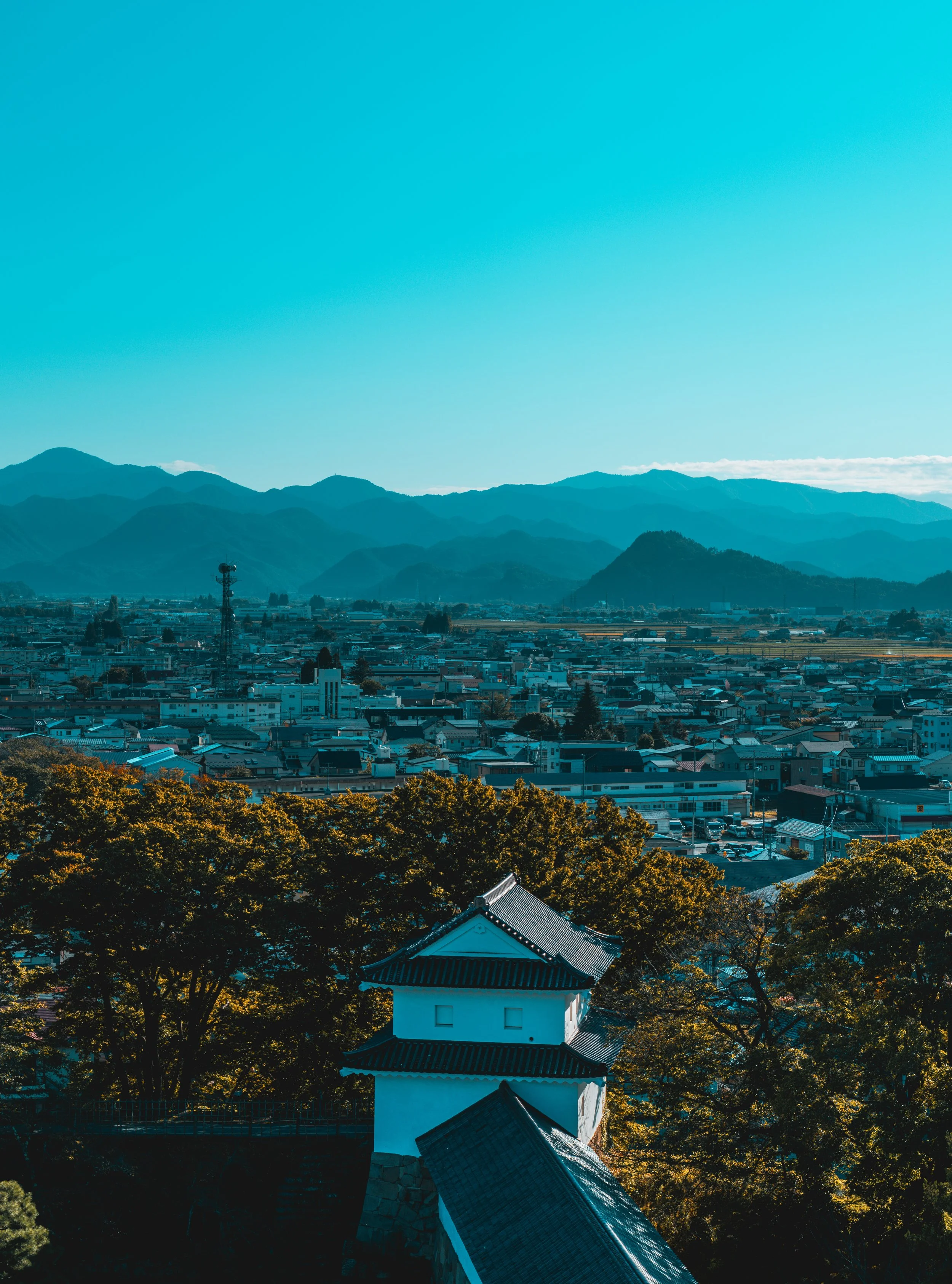
I arrived in Aizuwakamatsu with the feeling that I was stepping into a quieter chapter of Japan—one shaped by resilience, memory, and the soft rhythm of a castle town that hasn’t forgotten its roots. The streets felt spacious and calm, framed by low buildings and the distant silhouette of Mount Bandai watching over everything. As I walked, I kept noticing how the past and present lived side by side: an old wooden storefront facing a modern café, a quiet residential lane opening suddenly into a historical landmark.
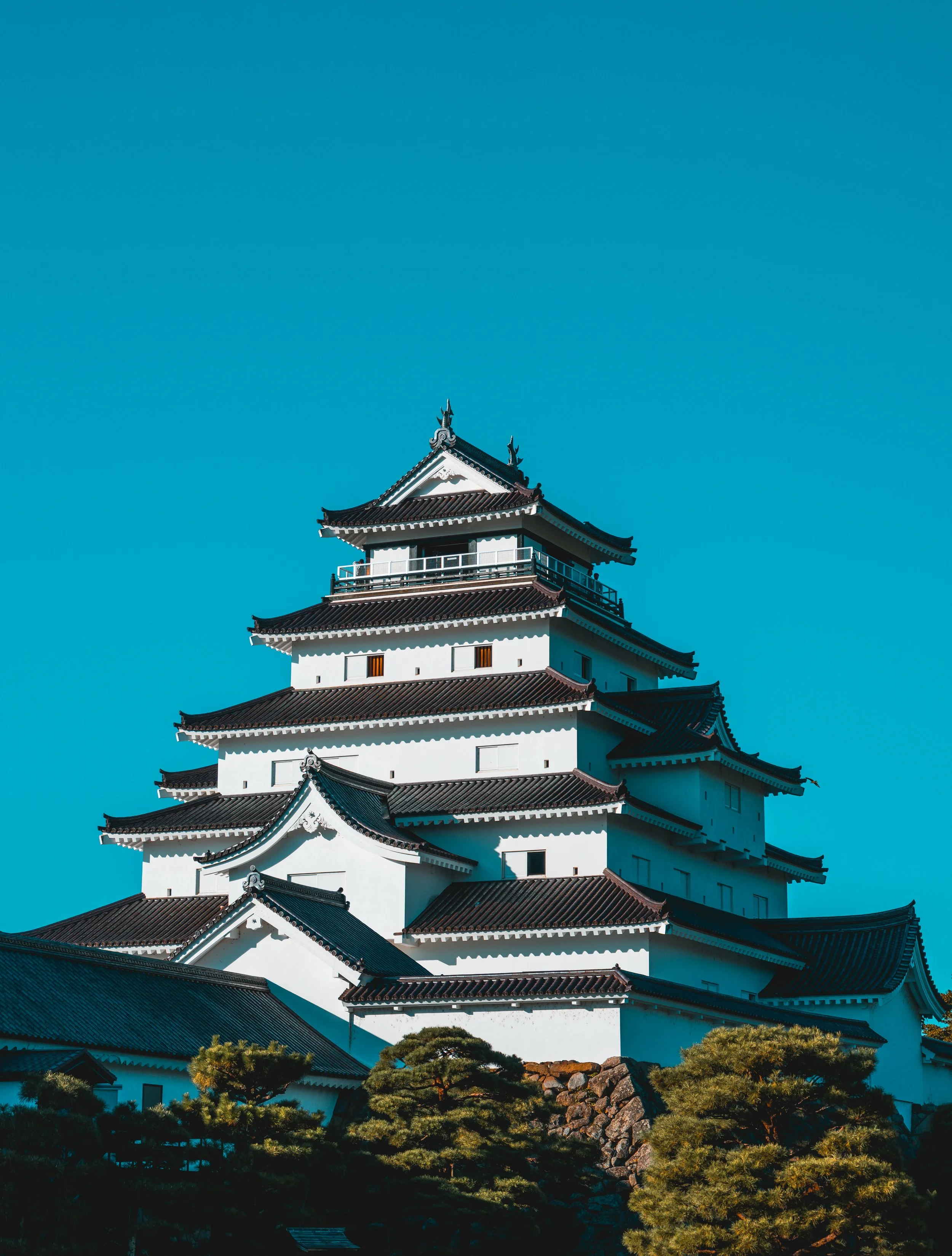
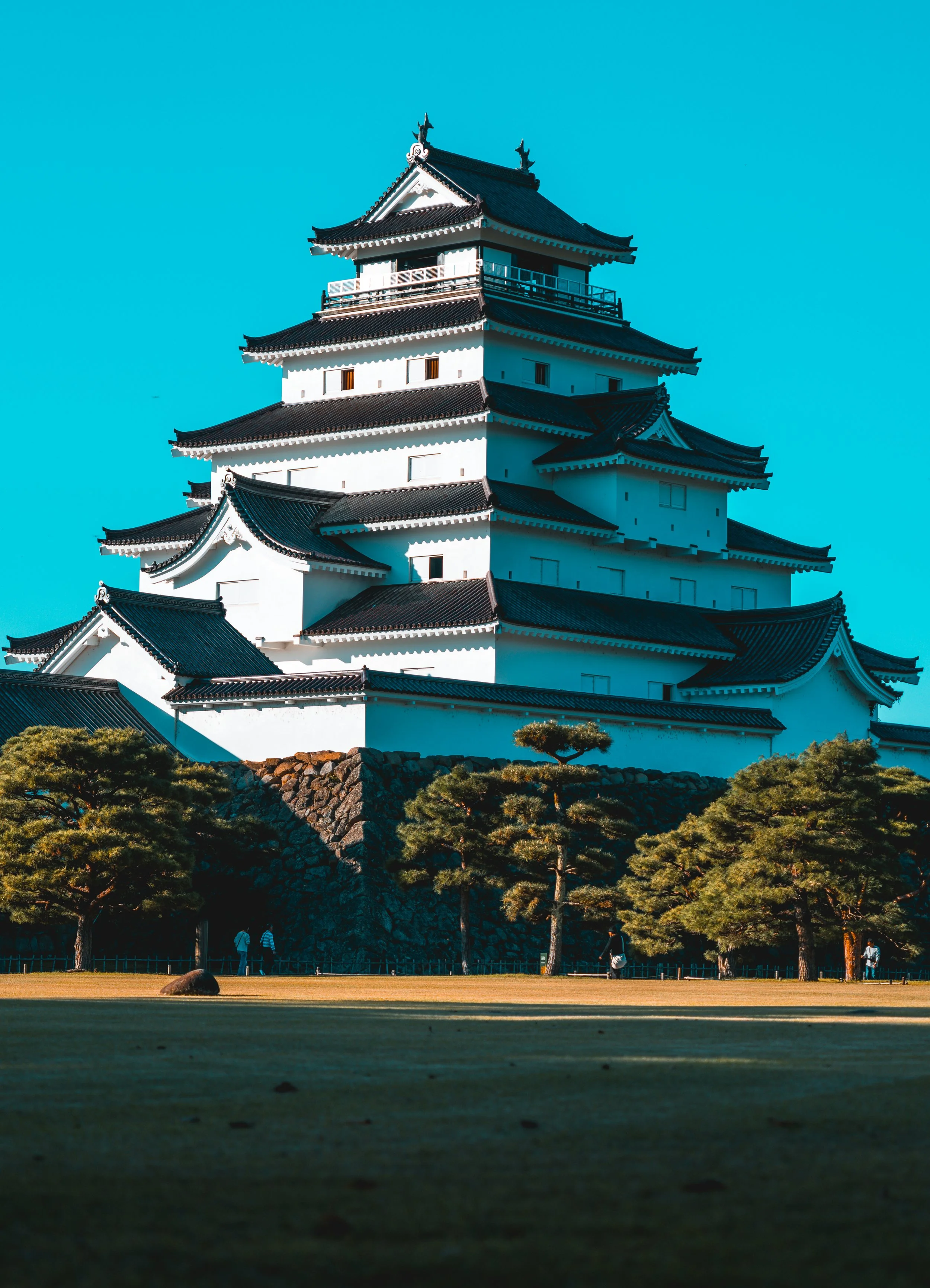
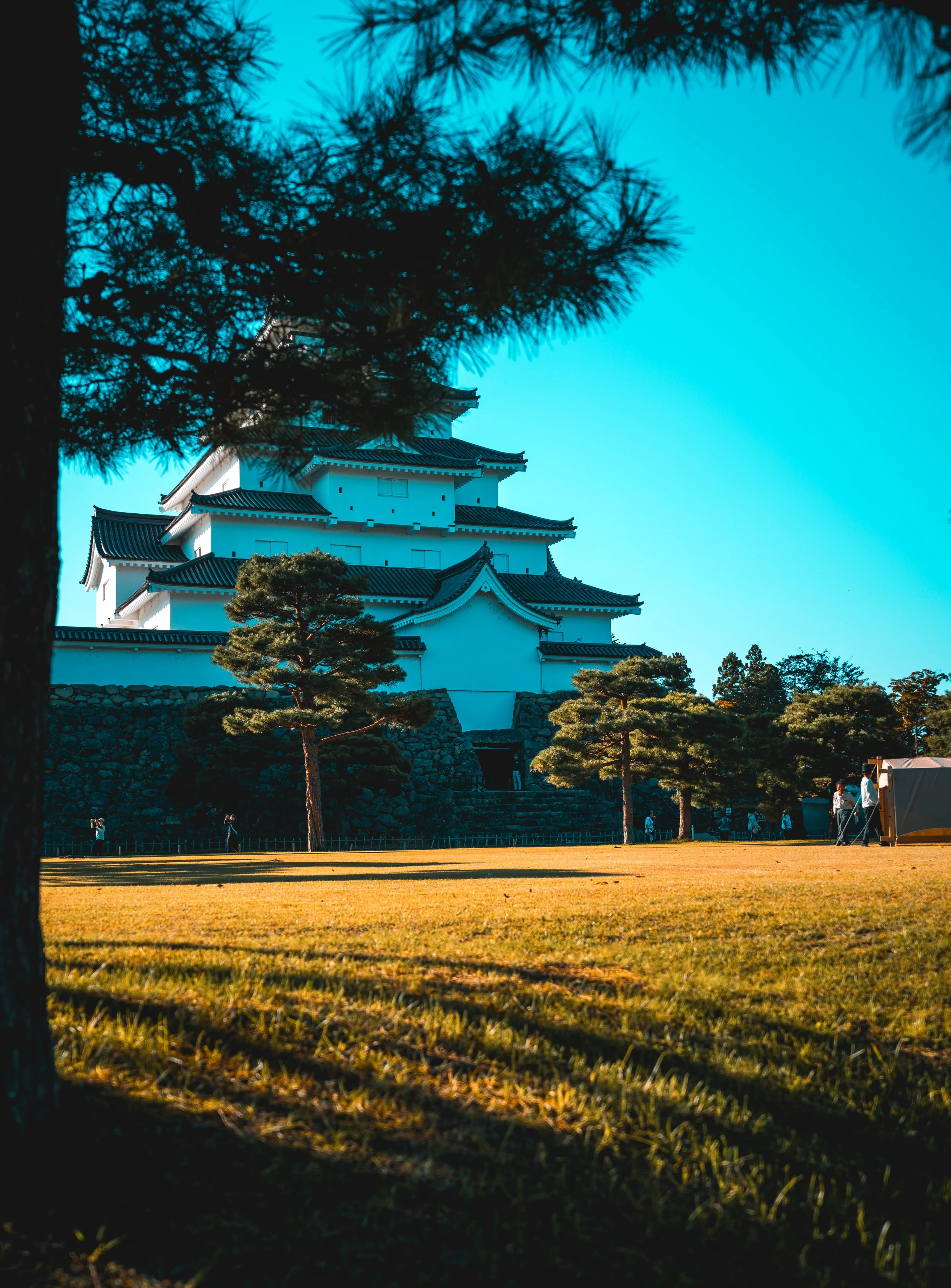
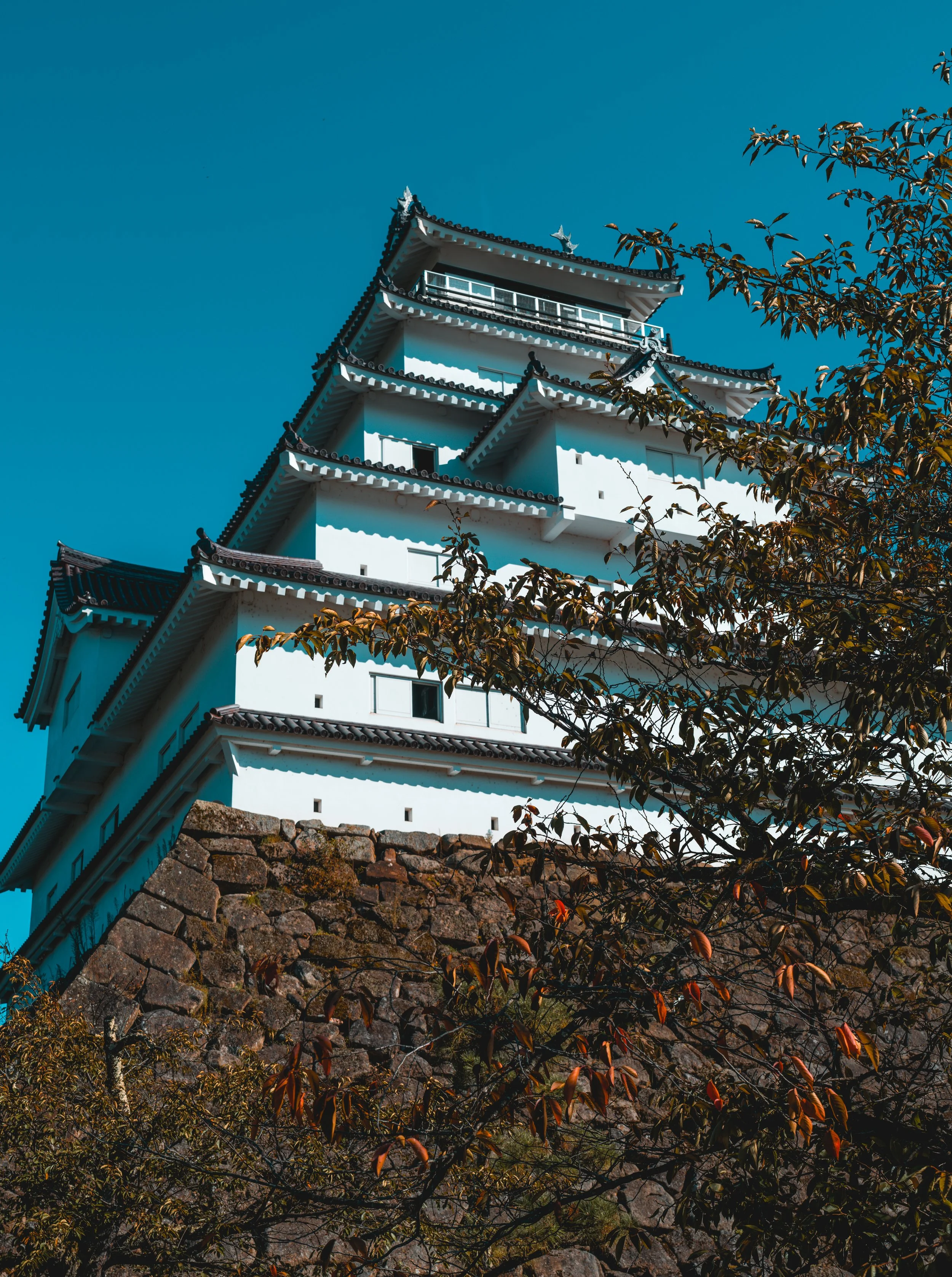
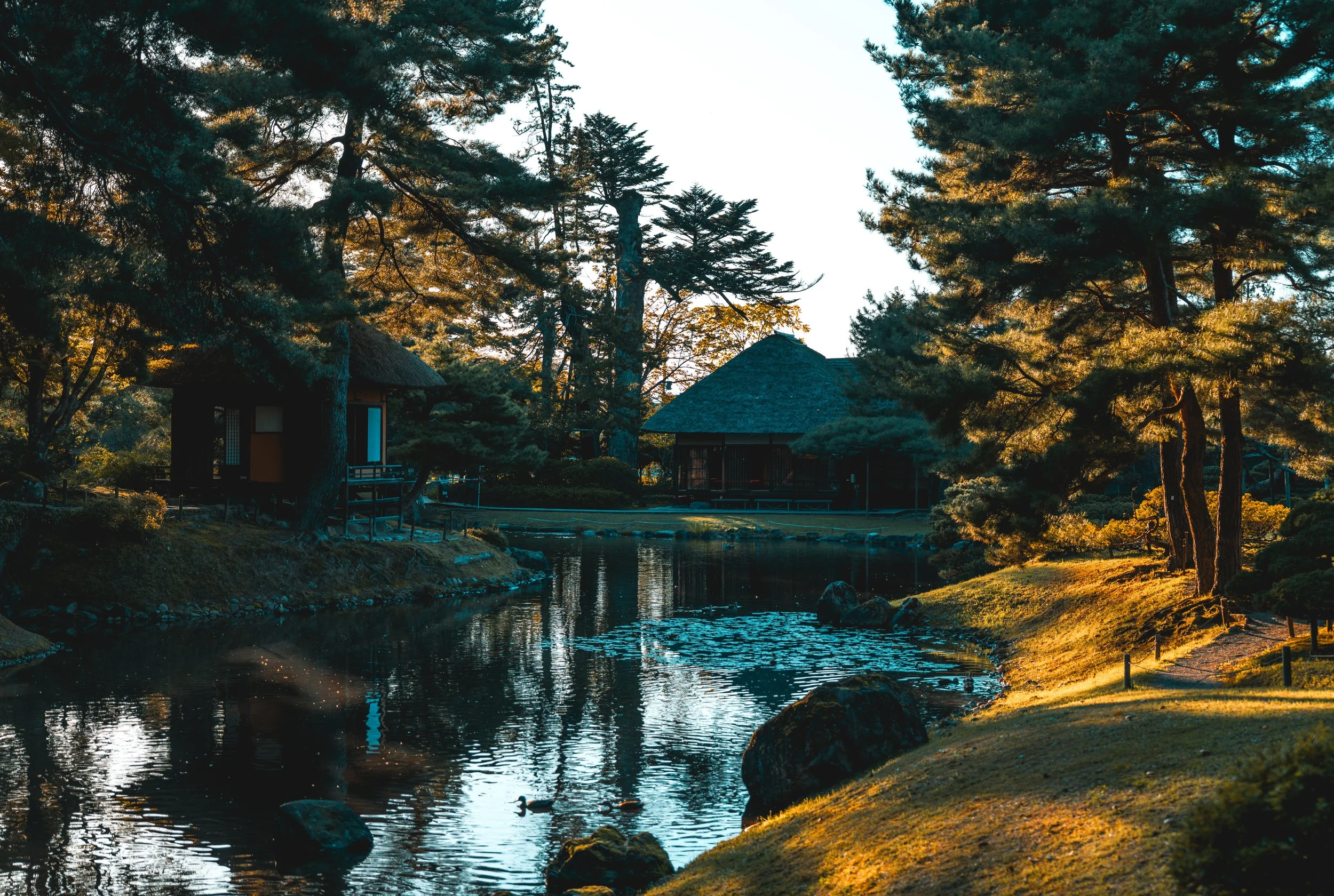
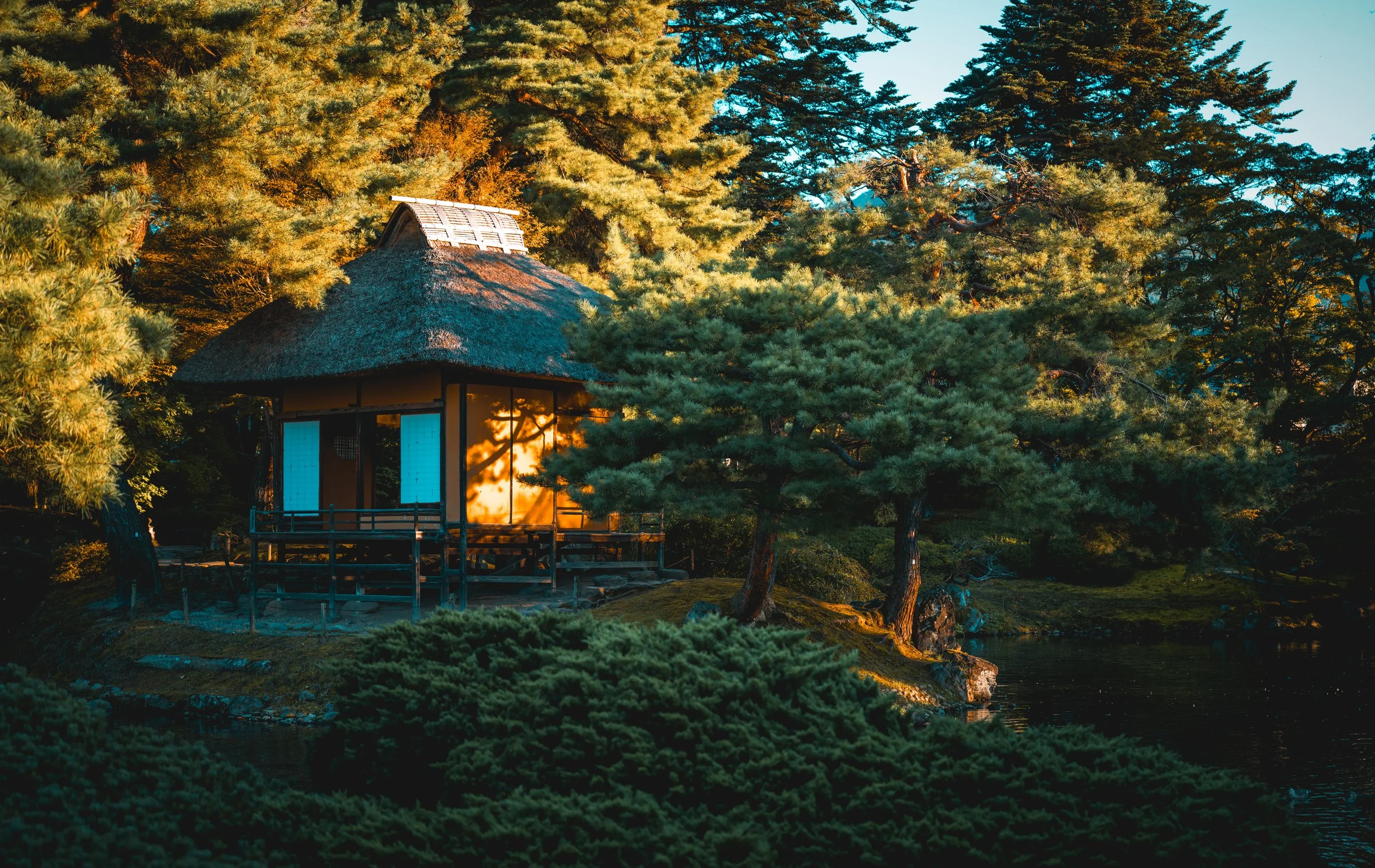
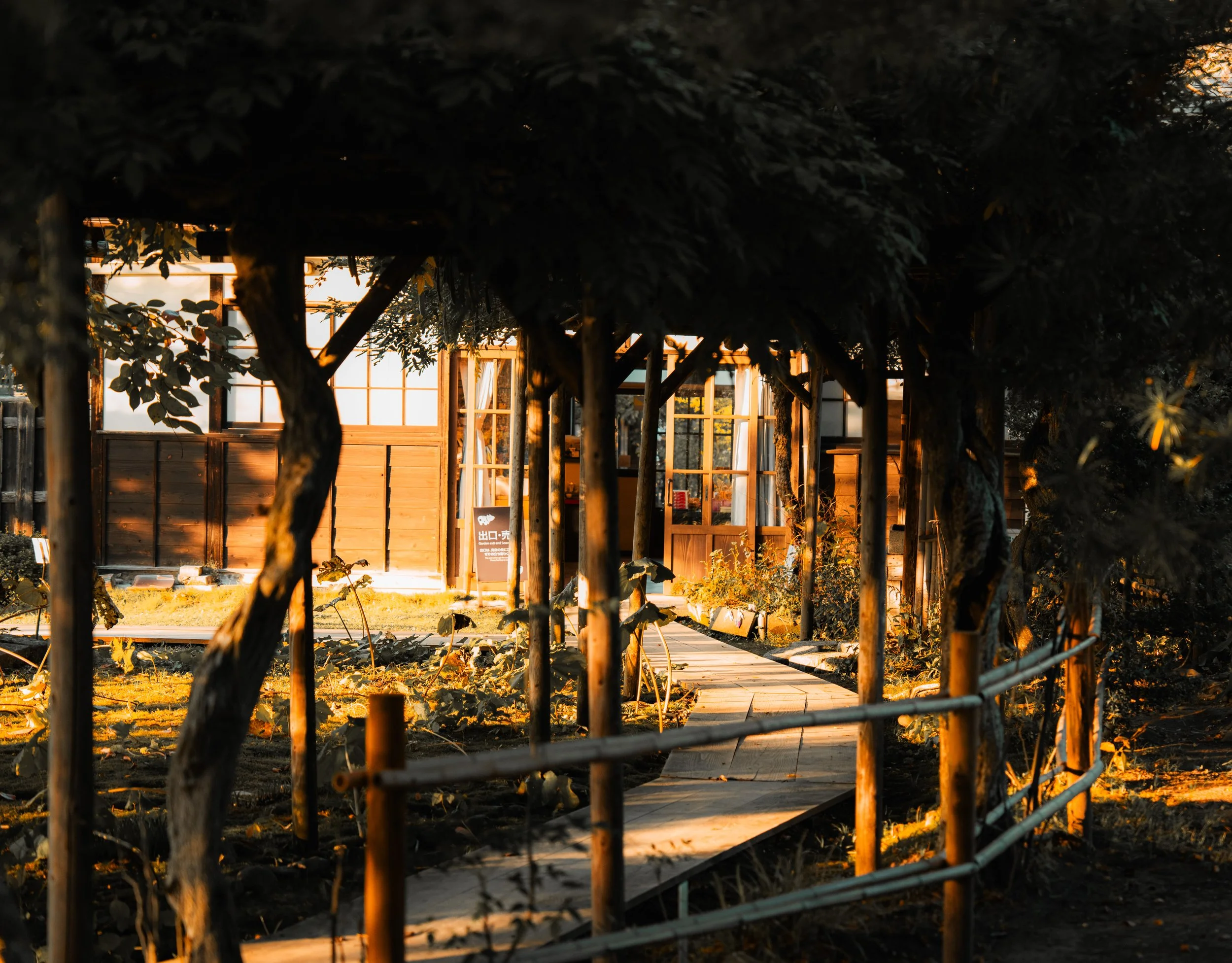
Tsuruga Castle was the heart of my visit. Standing before its white walls, I imagined the stories tied to this place—the samurai spirit, the loyalty, the hardships the region endured. Inside the grounds, the sound of my footsteps mixed with the breeze moving through the pine trees, and for a moment the world felt suspended between centuries. Nearby, the old samurai district offered a different kind of stillness. Walking through those preserved houses felt like being invited into someone’s memories, the kind you handle gently.
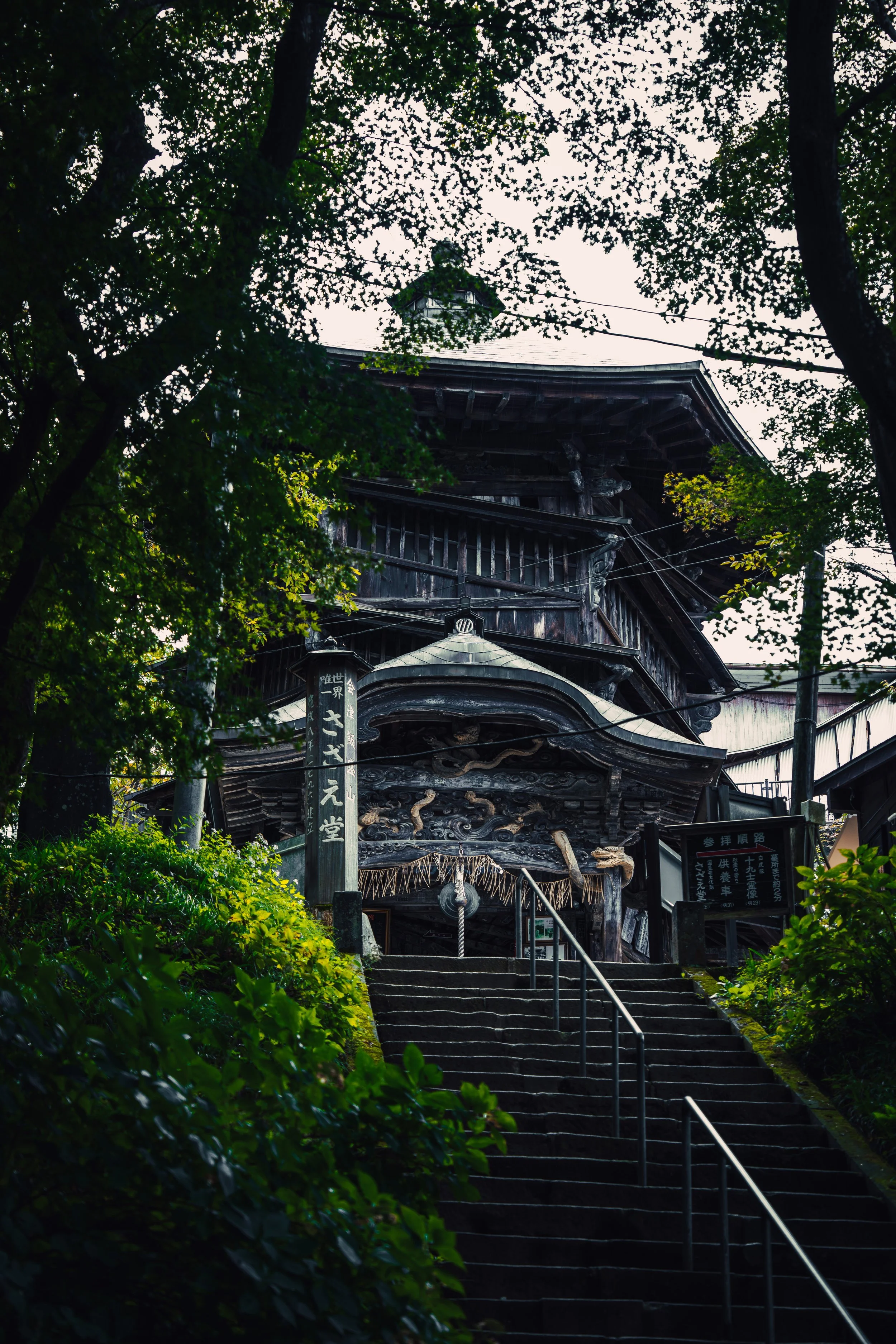
Sazaedo, the mysterious spiral wooden pagoda of Aizuwakamatsu.
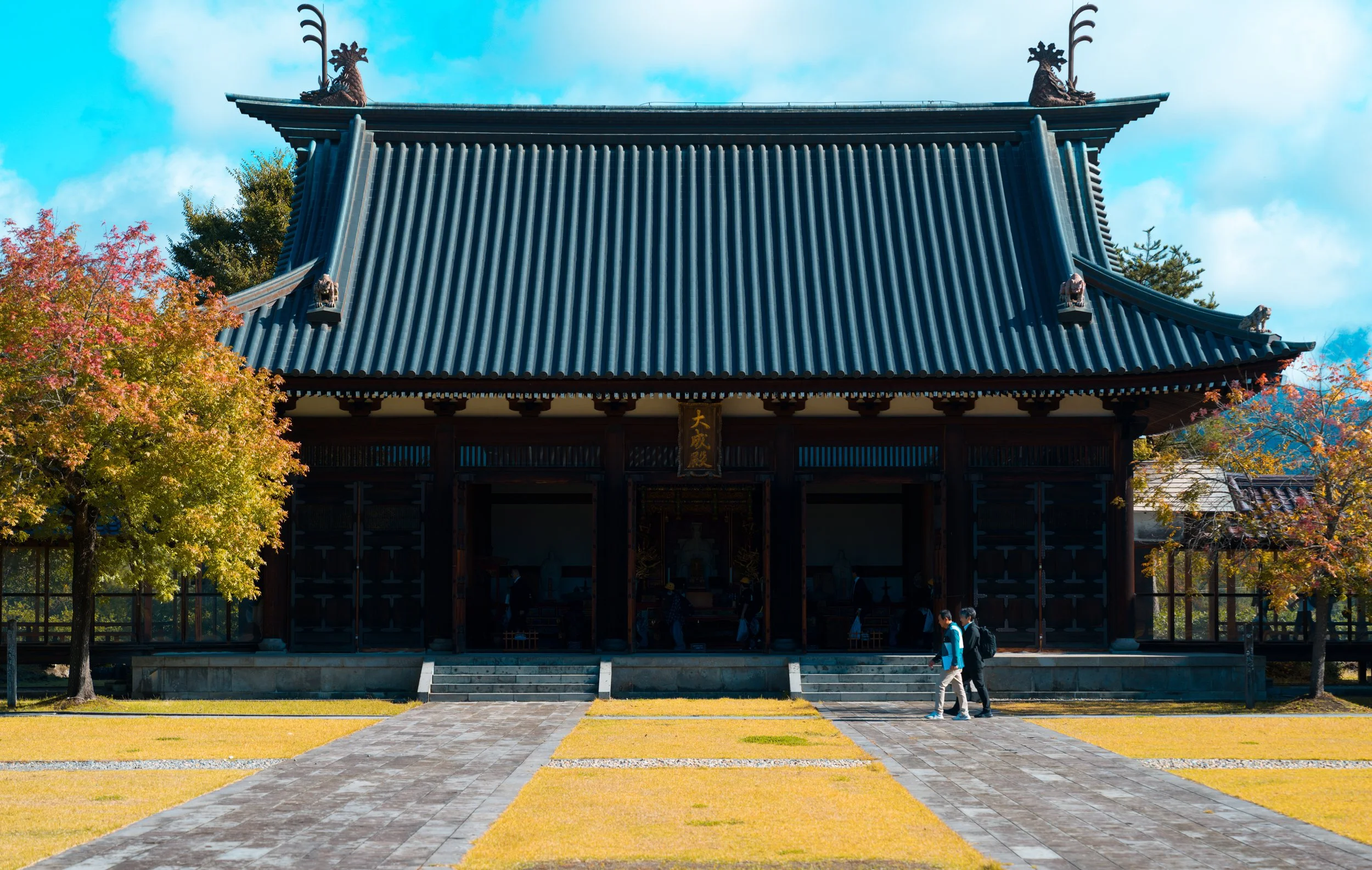
Visiting Nisshinkan felt like stepping into the disciplined world that once shaped the young samurai of Aizu. The old historic place carried a quiet weight that reflected its history as an elite domain school where boys trained both mind and body for a life of service.
As I walked through the reconstructed buildings, I imagined the strict routines, the training halls, and the philosophy that guided daily life here—where education was as much about character as it was about skill. There was something humbling in the stillness of the place, knowing how intense and structured life once was within these walls.
It didn’t feel like a typical tourist stop, but more like a place of reflection. Surrounded by open space and soft wind, I took my time moving through the grounds, letting the history settle in quietly rather than trying to fully grasp it.
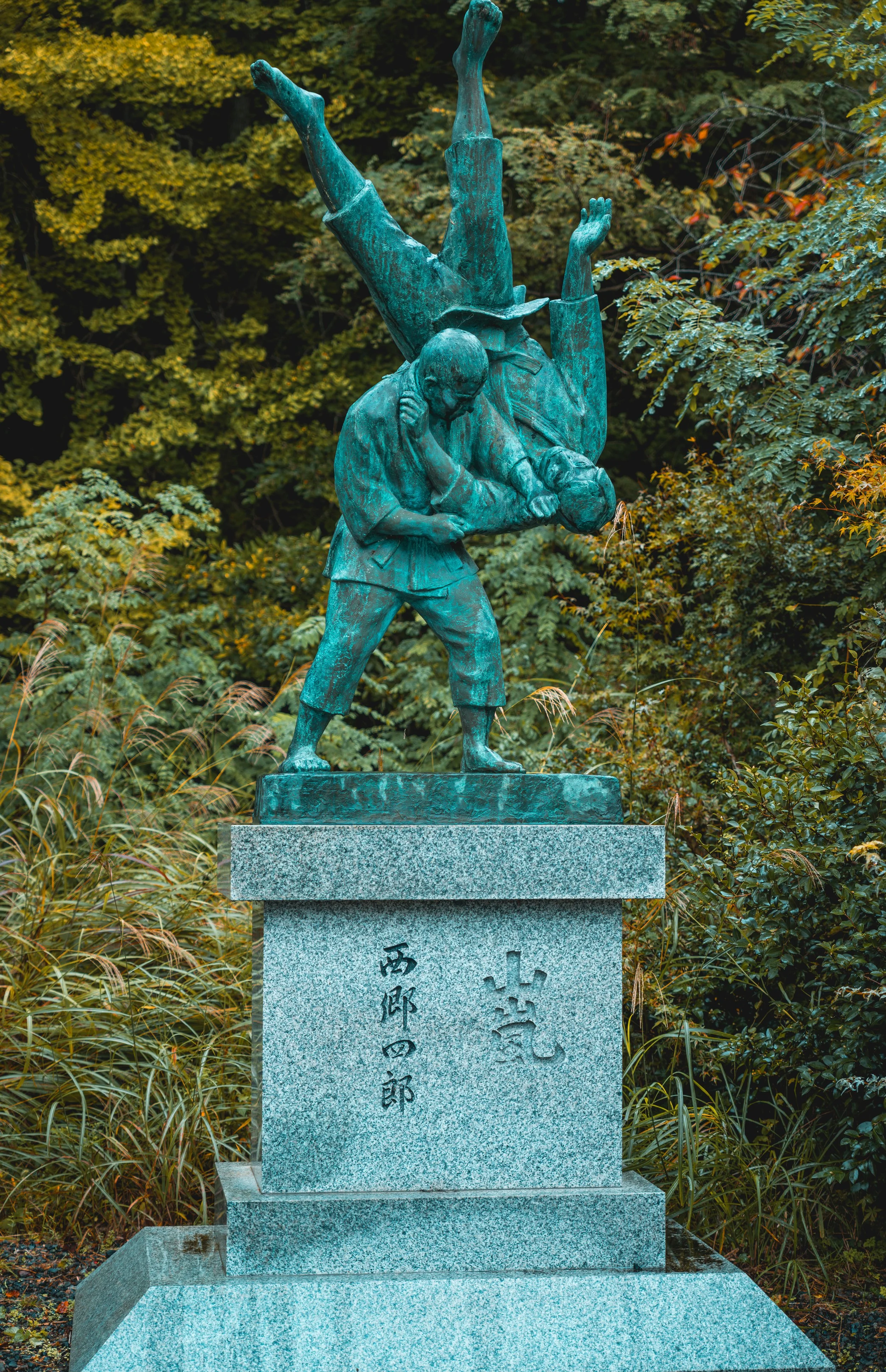
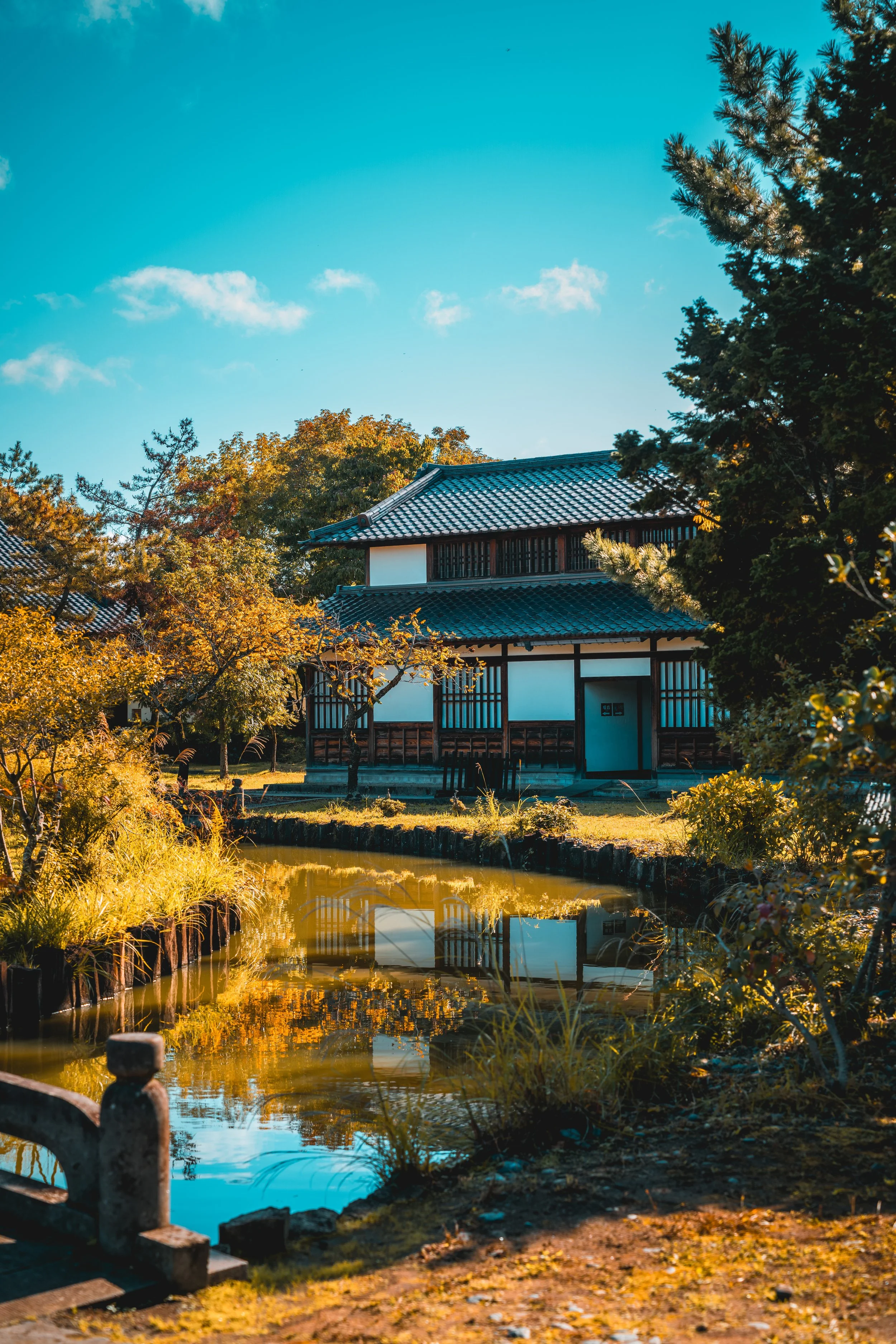
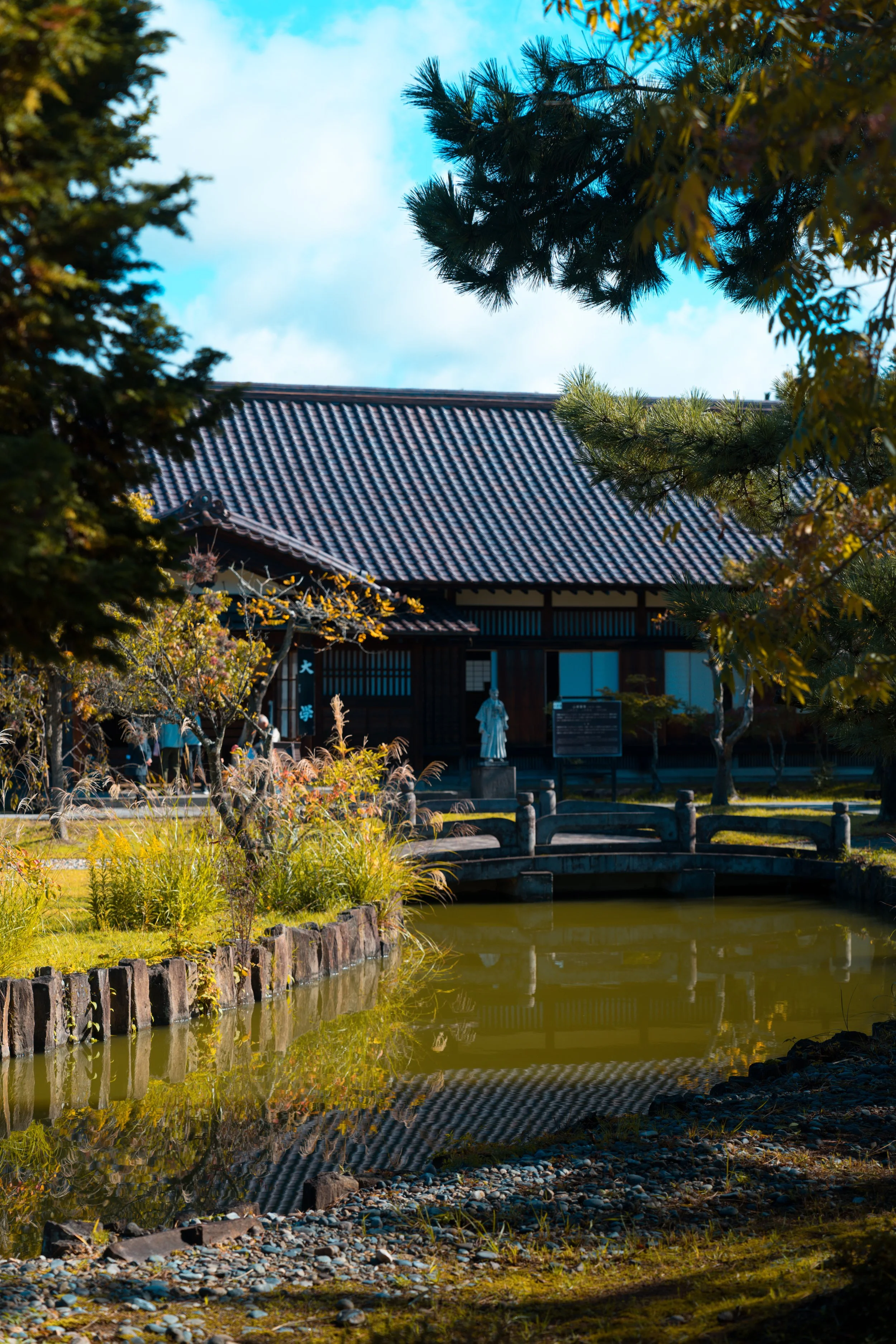
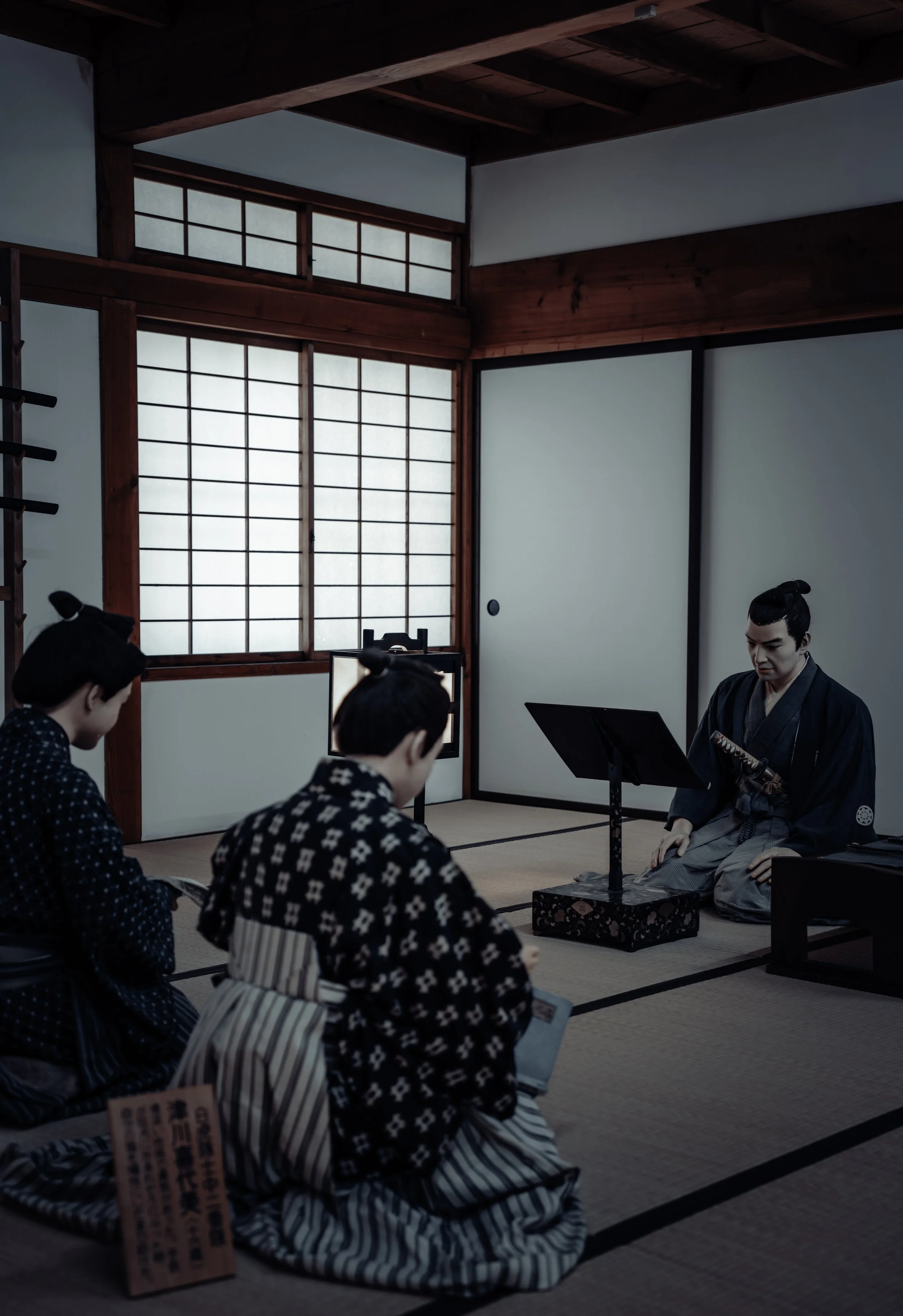
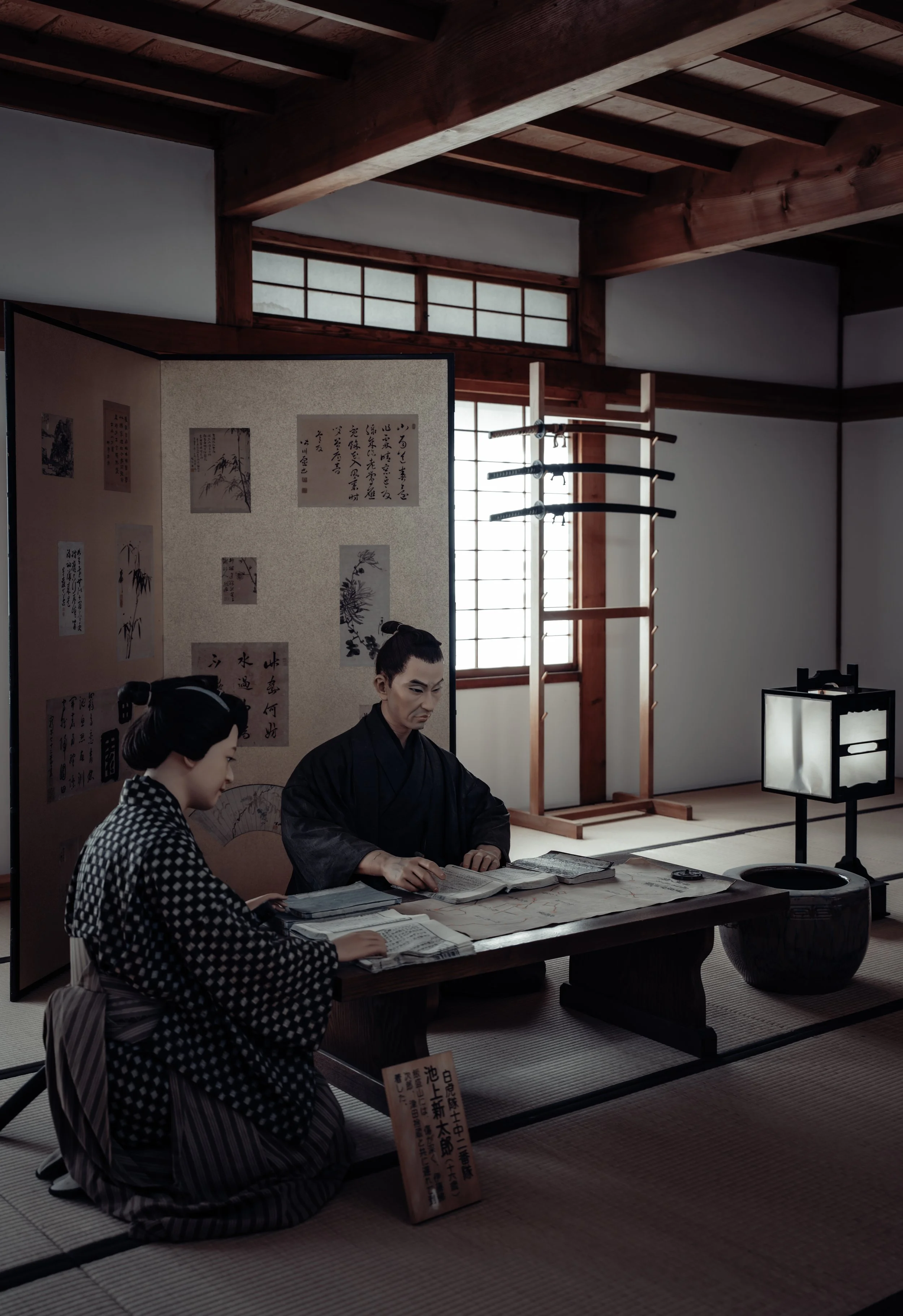
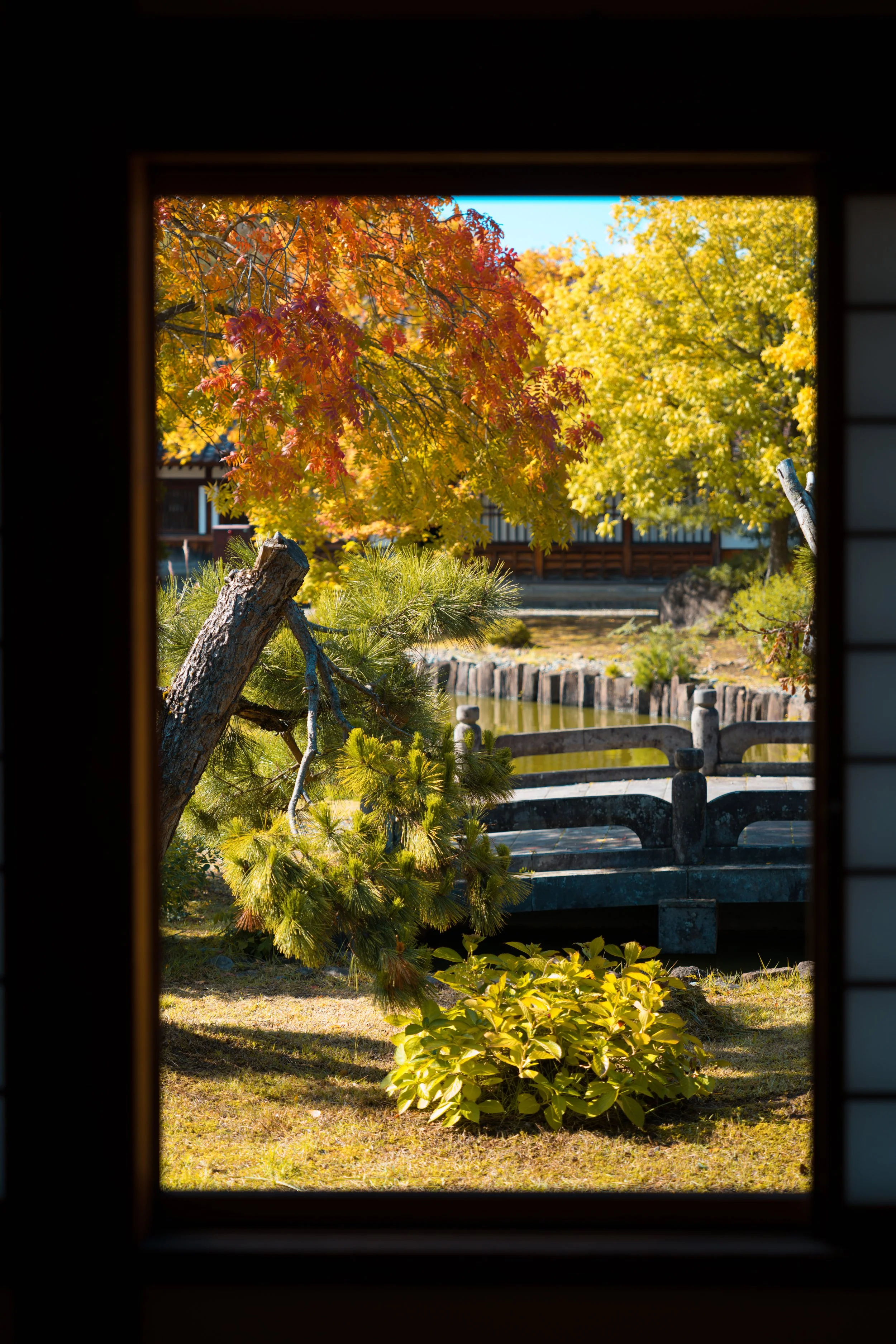
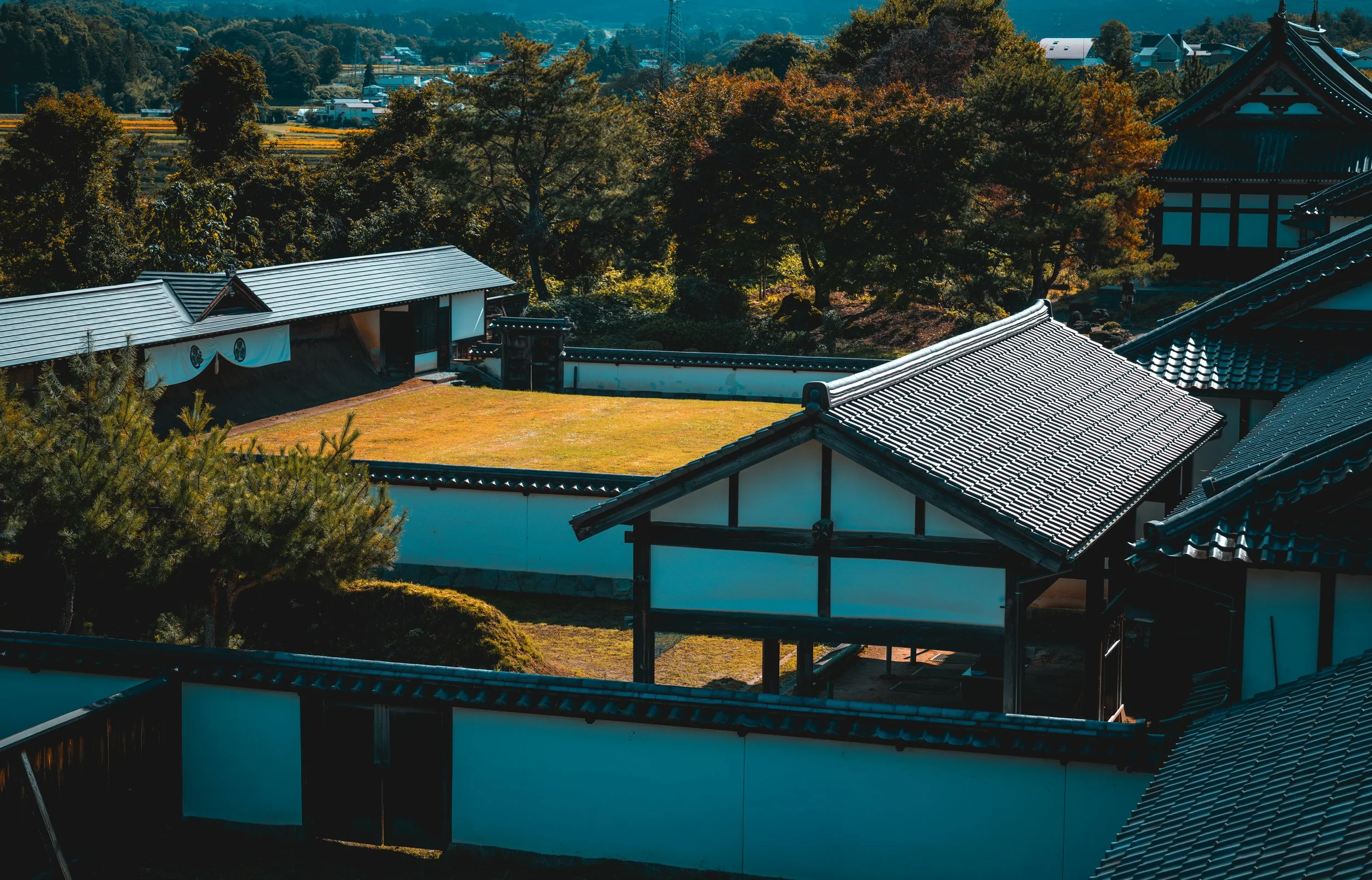
As I walked through the reconstructed buildings, I imagined the strict routines, the training halls, and the philosophy that guided daily life here—where education was as much about character as it was about skill. There was something humbling in the stillness of the place, knowing how intense and structured life once was within these walls.
It didn’t feel like a typical tourist stop, but more like a place of reflection. Surrounded by open space and soft wind, I took my time moving through the grounds, letting the history settle in quietly rather than trying to fully grasp it.